Bardhi Shema
DEEN

Expertise

Aesthetic dental technology – crafted by hand, planned digitally.

I combine traditional craftsmanship with modern digital technology to create individual restorations with natural aesthetics and well-thought-out function.

  • exocad
  • CAD/CAM
  • ZrO₂
  • IPS e.max
  • Veneers

01Focus areas

My professional focus areas.

Ceramic restorations with natural translucency

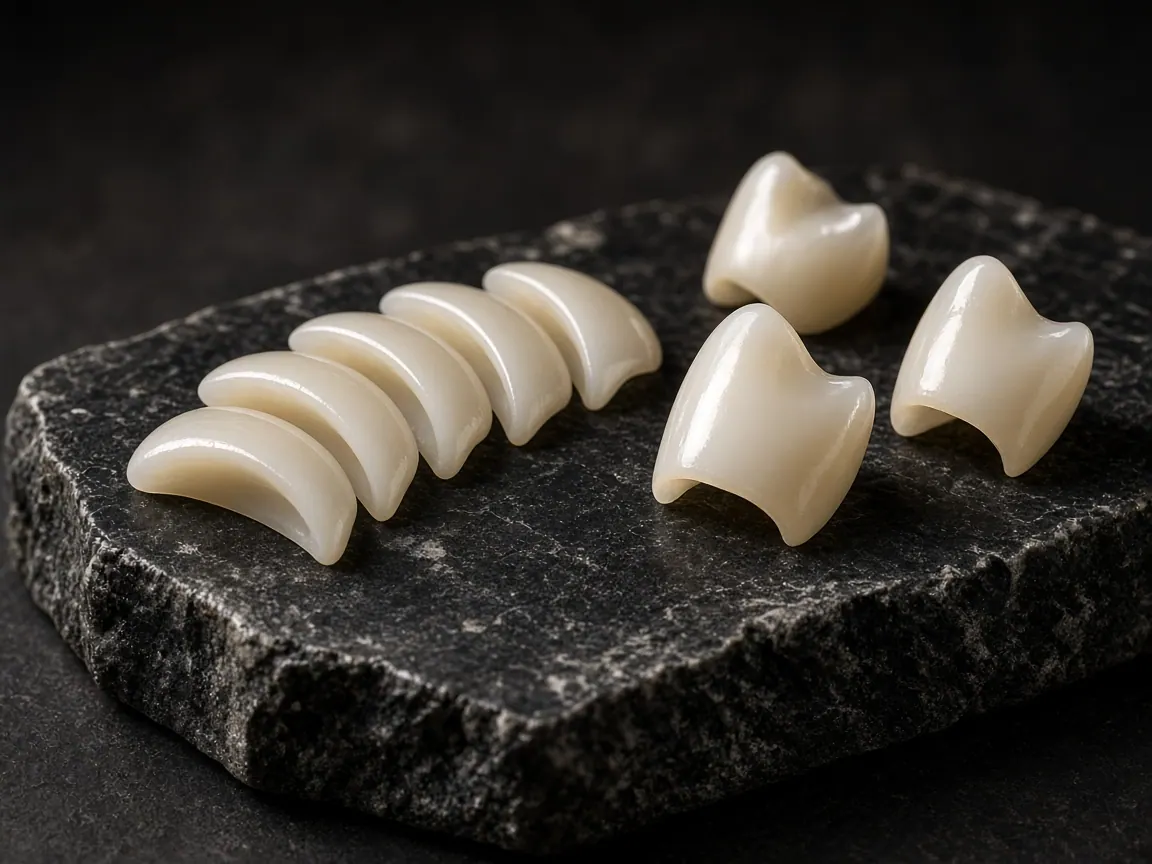
Veneers

A veneer is only a few tenths of a millimetre thin. That is exactly why every detail matters: shape, colour gradient, translucency and surface texture have to match the neighbouring teeth and the face.

I design veneers to blend in quietly. My aim is a smile that looks natural – not one that stands out as a restoration.

MaterialOften lithium disilicate (IPS e.max by Ivoclar): it can be worked very thin and looks natural thanks to its translucency.
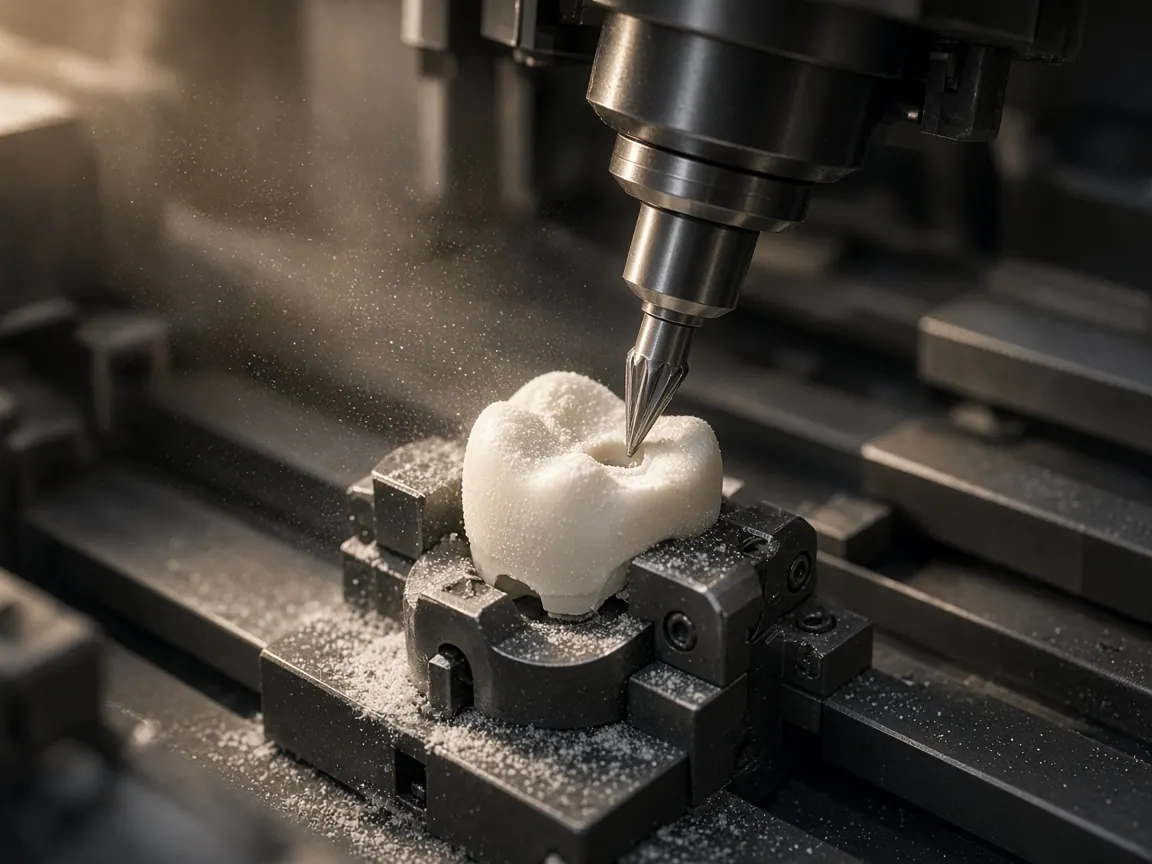
Precise milling of a zirconium dioxide restoration

Zirconia crowns

Zirconium dioxide is very strong, which makes it particularly suitable for crowns that have to withstand high chewing forces. I design these crowns digitally in exocad; they are then precisely milled.

To make a zirconia crown convincing aesthetically as well, I work on its surface, colour and characterisation by hand.

MaterialZirconium dioxide – chosen where stability and durability come first.

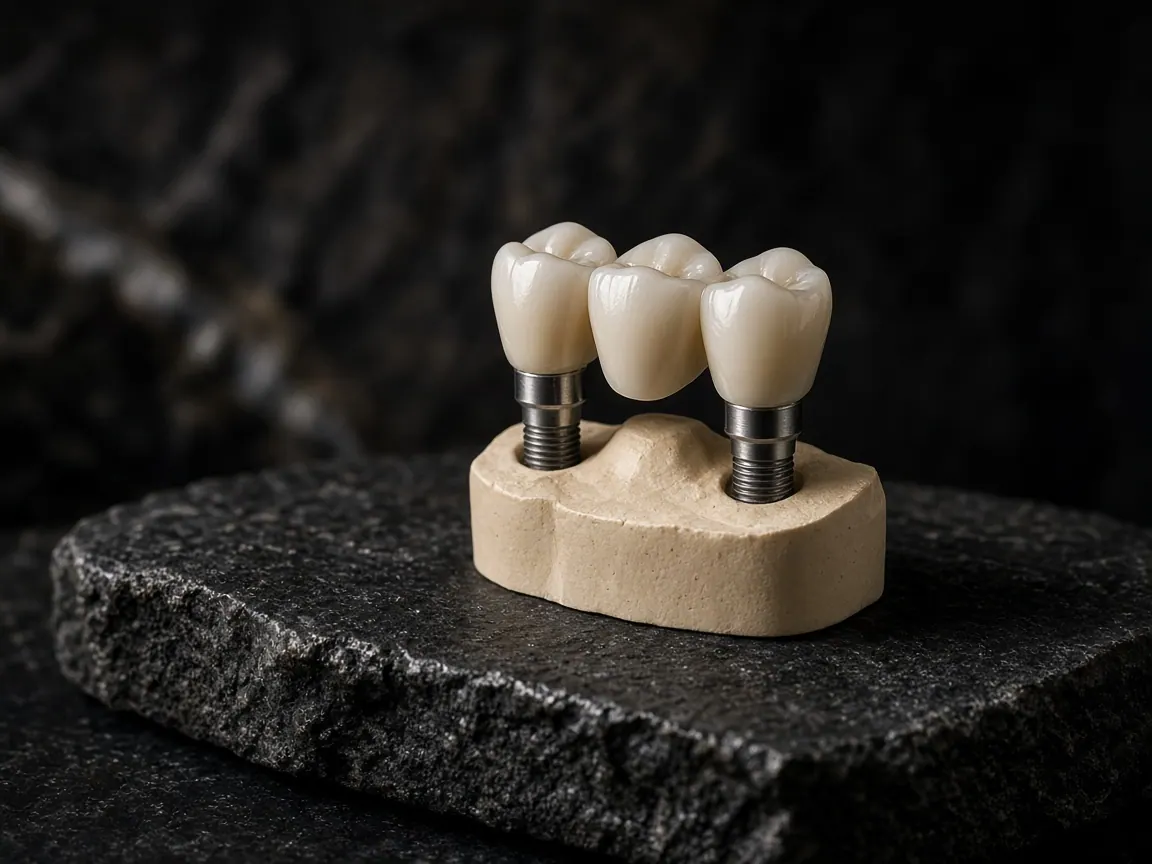
Implant-supported crowns on a model

Implant-supported crowns

With an implant-supported crown, axis, emergence profile and occlusion have to be carefully matched so that it works in everyday life and looks natural.

I plan this work in close coordination with the treating practice and choose the material to suit each situation.

MaterialZirconium dioxide or lithium disilicate, depending on the situation.

02Digital workflow

Designed in exocad, finished by hand.

For digital design, I work with exocad. For me, the software is a tool within my workflow: I plan shape, fit and space on screen and match them with the information from the practice.

CAD/CAM makes manufacturing precise and reproducible. The character of a restoration – its colour, its surface and the subtle irregularities of a natural tooth – is something I give it by hand.

  • Digital design in exocad
  • Precise CAD/CAM manufacturing
  • Colour and surface by hand
  • Close coordination with the practice
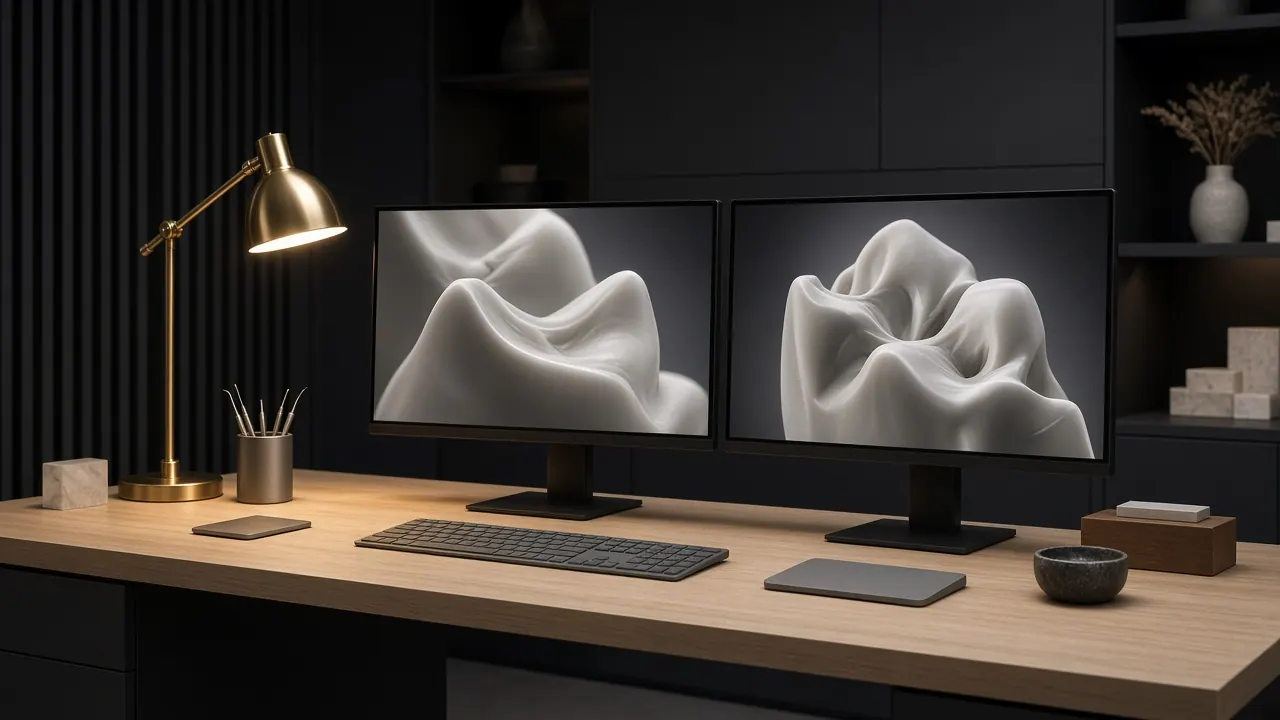
CAD workstation showing the digital design of a restoration on screen

03Materials

The material follows the indication.

Which material I choose depends on the restoration in question – on the load, the position in the mouth and the aesthetic requirements.

ZrO₂

Zirconium dioxide

A very strong high-performance ceramic. I use it above all for crowns that have to withstand high chewing forces – for example in the posterior region or on implants.

IPS e.max · Ivoclar

Lithium disilicate

A glass ceramic with natural-looking translucency. I use IPS e.max by Ivoclar where particularly natural aesthetics are required, for example for veneers and anterior crowns.

biocompatible

Biocompatible resins

Resins with good tolerability, for example for provisional restorations that provide protection and aesthetics until the final restoration is placed.

Case studies

Anonymised case studies will follow.

As soon as suitable cases are available and the necessary consents have been obtained, I will present anonymised case studies here.

ARTEC

Information about our laboratory services

I will gladly send you information about our laboratory services on request.

Contact

I look forward to hearing from you – and to a personal conversation.