Knowledge & Articles
Craftsmanship and CAD/CAM belong together
Digital tools have changed dental technology – but they have not replaced craftsmanship. In my work, the two go hand in hand.
Bardhi Shema · 28 September 2026 · 1 min read
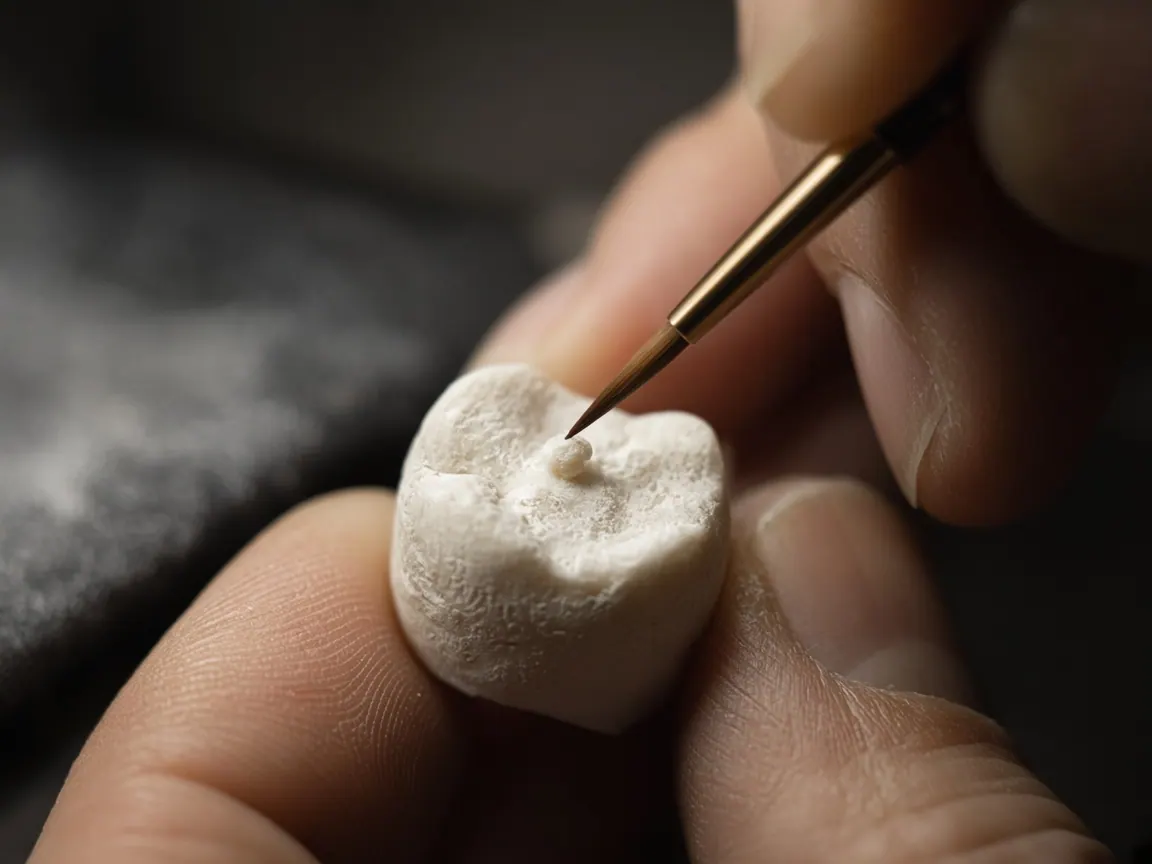
Digital dental technology has changed everyday life in the laboratory. Many of my restorations now start on screen: I design them in exocad, plan shape, fit and space, and match them with the information from the practice.
This development is a real gain. Digital workflows are precise, reproducible and make coordination with the practice clearer. But they do not replace what dental technology is at its core: careful work for a specific person.
Where craftsmanship makes the difference
A zirconia crown can be cleanly designed and precisely milled – but it only looks natural once its colour, surface and character are right. I carry out these steps by hand. I assess the work in the light, match it to the neighbouring teeth and give it the subtle irregularities that make a natural tooth.
With veneers, this becomes especially clear. They are only a few tenths of a millimetre thin. Here, the interplay of material – often lithium disilicate such as IPS e.max by Ivoclar – and hand-crafted design decides whether a smile looks harmonious.
What I take with me from teaching
From my time as a lecturer, I take one conviction with me: anyone who only masters the software does not yet understand the case. And anyone who works exclusively by analogue means misses opportunities in fit and communication. The sensible path is the one that combines both.
The person remains the measure
For me, technology is good when it serves the case. That is why, at the end of every design and every characterisation, I ask myself the same question: does this solution suit the person it is intended for?
Contact